Capital Railroad’s crews meet applicable FRA 49 CFR Part 243 requirements for safety-related railroad work. This Federal Railroad Administration regulation governs the training, qualification and oversight of employees performing safety-sensitive duties in railroad environments.
For railroad owners, Class I railroads, short line operators, industrial facilities and project stakeholders, Part 243 compliance provides confidence that employees performing safety-related railroad work have been properly trained and qualified for the tasks they are assigned to perform.
In railroad construction and maintenance, safety starts long before crews step onto the track. It begins with training, documentation, qualification and oversight.

49 CFR Part 243 is titled “Training, Qualification, and Oversight for Safety-Related Railroad Employees.” The purpose of the rule is to ensure that employees of railroads and railroad contractors who perform safety-related railroad work are trained and qualified to comply with applicable federal railroad safety laws, regulations, orders, railroad rules and required procedures.
The regulation applies to safety-related railroad employees whether they are employed directly by a railroad or by a contractor working for a railroad. It also requires contractors to coordinate with railroads and comply with the applicable training requirements, including railroad-specific rules and procedures.
Railroad work is a highly regulated environment for good reason. Crews may be working around active tracks, heavy equipment, roadway worker protection requirements, bridges, signals, rolling stock and other safety-sensitive conditions.
FRA Part 243 helps ensure that safety-related railroad employees are not only trained, but trained for the specific type of work they perform. This includes formal training, qualification by occupational category or subcategory, refresher training and, where applicable, on-the-job training and field evaluation requirements.
For customers and railroad partners, Part 243 compliance helps support:
Part 243 is not just a training file in a cabinet. It is a framework for making sure the right people are qualified to do the right work, under the right rules, before the work begins.
Capital Railroad meets FRA 49 CFR Part 243 requirements for applicable project work. Our training and qualification processes help ensure that employees assigned to safety-related railroad duties are properly prepared for their work in the field.
This compliance supports our ability to perform work for railroads, industrial rail owners and project partners that require contractors to meet FRA training standards.
Whether supporting track construction, maintenance-of-way activities, bridge-related work, emergency repairs or other railroad construction services, Capital Railroad understands that training and qualification are part of the job, not an afterthought.
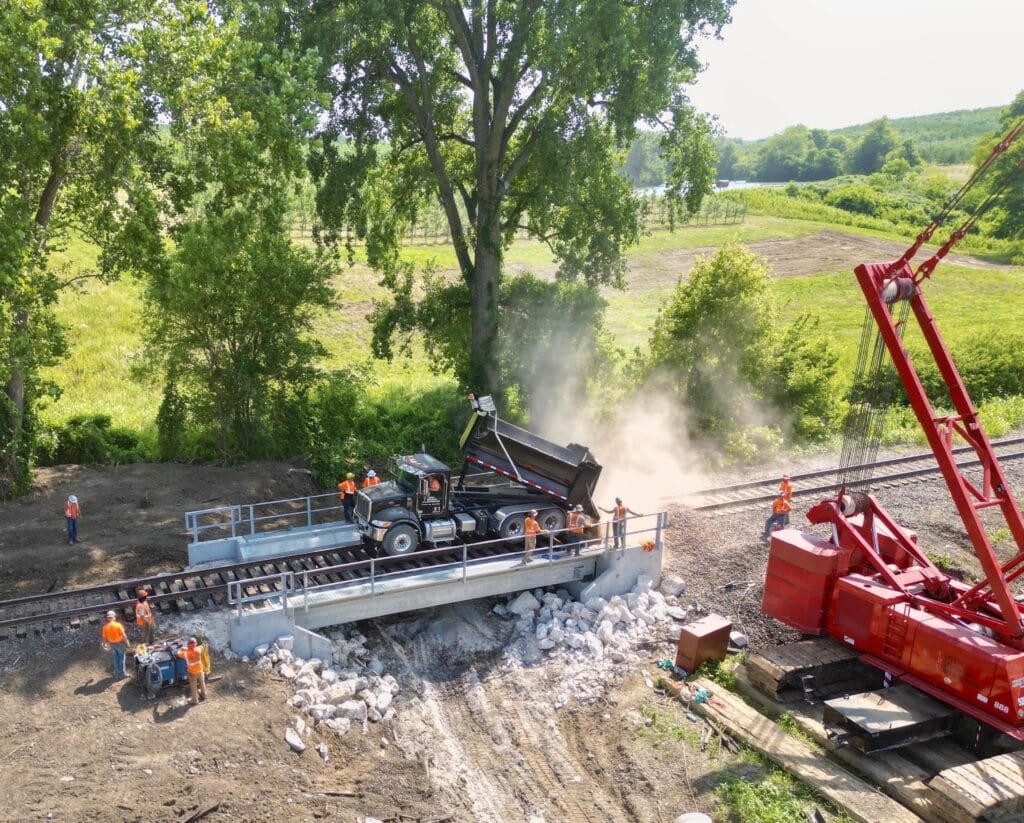

Not every contractor is prepared to work in the railroad environment. Capital Railroad brings the training structure, field experience and regulatory awareness needed for projects where safety, schedule and compliance all matter.
Our FRA Part 243 compliance supports work with:
When a project requires trained, qualified and safety-aware railroad crews, Capital Railroad is ready to perform.
This compliance supports our ability to perform work for railroads, industrial rail owners and project partners that require contractors to meet FRA training standards.
Whether supporting track construction, maintenance-of-way activities, bridge-related work, emergency repairs or other railroad construction services, Capital Railroad understands that training and qualification are part of the job, not an afterthought.
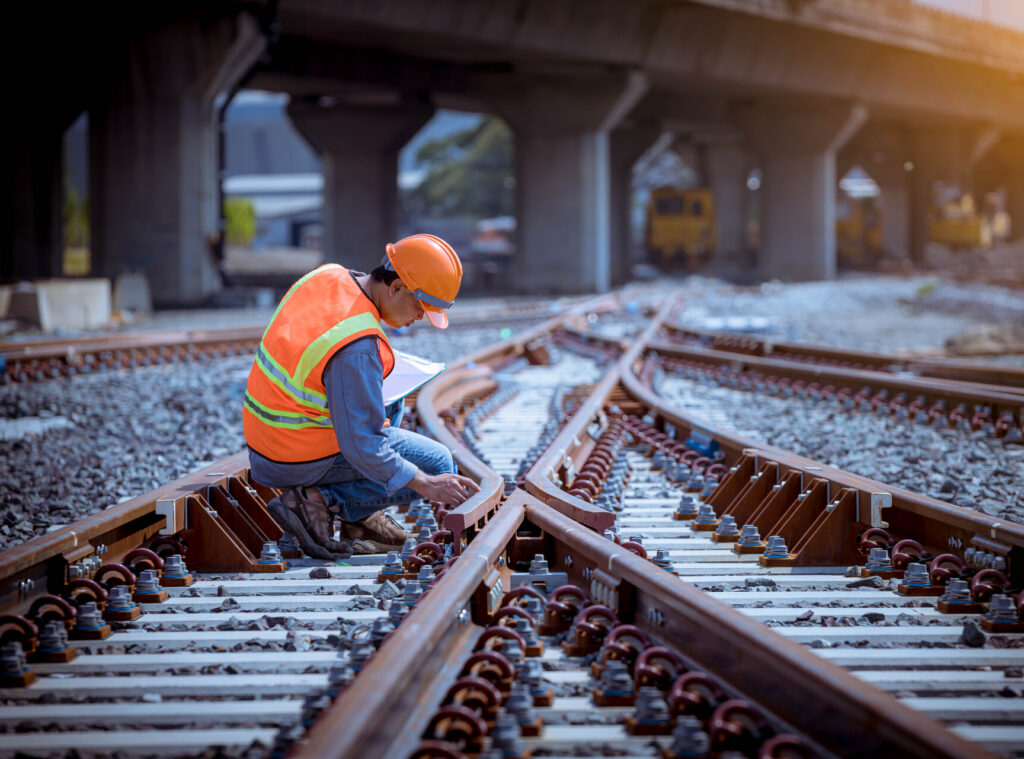
Part 243 also emphasizes oversight. The FRA notes that most employers are required to conduct periodic oversight of employees, and larger employers must conduct annual written reviews to evaluate training effectiveness and address performance gaps.
Capital Railroad recognizes that training does not stop after orientation. Effective railroad safety requires continued attention, field awareness and accountability. Our approach supports crews with the training, qualifications and oversight needed to work safely and professionally in regulated railroad environments.
Disclaimer:
Capital Railroad maintains programs and procedures designed to meet applicable Federal Railroad Administration requirements, including 49 CFR Parts 213, 219 and 243. Capital Railroad is not endorsed or certified by the Federal Railroad Administration unless expressly stated in project-specific documentation.