Capital Railroad maintains compliance with FRA 49 CFR Part 219, the Federal Railroad Administration regulation governing the control of alcohol and drug use in railroad operations. This regulation establishes drug and alcohol testing requirements for employees and contractors performing certain safety-sensitive railroad work.
For railroad owners, Class I railroads, short line operators, industrial rail facilities and project managers, FRA Part 219 compliance matters because it helps ensure that workers performing regulated railroad service are qualified, tested and managed under a federally recognized safety program.
49 CFR Part 219 is formally titled “Control of Alcohol and Drug Use.” It is the FRA’s regulation covering alcohol and drug testing requirements for railroad employees and certain contractors performing regulated service. The rule includes requirements related to pre-employment testing, random testing, reasonable suspicion testing, reasonable cause testing, post-accident testing, testing procedures, recordkeeping and reporting.
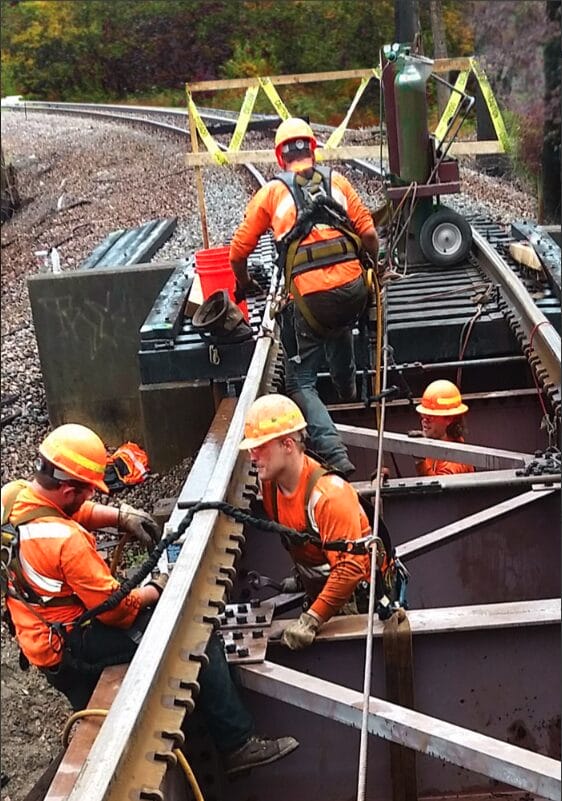
The FRA identifies regulated employees as those performing covered service under hours-of-service laws, maintenance-of-way employees classified as roadway workers, and certain mechanical employees who inspect, repair or maintain railroad rolling equipment or components. The FRA also notes that regulated service may include contractors performing those duties on behalf of a railroad.
Railroad work carries a high level of responsibility. Crews often work around active track, heavy equipment, bridge structures, rail traffic, signals and other safety-critical environments. FRA 49 CFR Part 219 helps support safer railroad operations by requiring drug and alcohol testing programs for workers in regulated service.
For project owners and railroad partners, compliance helps:
Part 219 is more than paperwork. It is part of the safety framework that keeps railroad projects moving with discipline, accountability and care.
Capital Railroad meets the requirements of FRA 49 CFR Part 219 for applicable project work. Our compliance helps ensure that employees assigned to regulated railroad service are managed under the required drug and alcohol testing program.
This allows Capital Railroad to support projects where FRA Part 219 compliance is required by the railroad, project owner or scope of work.
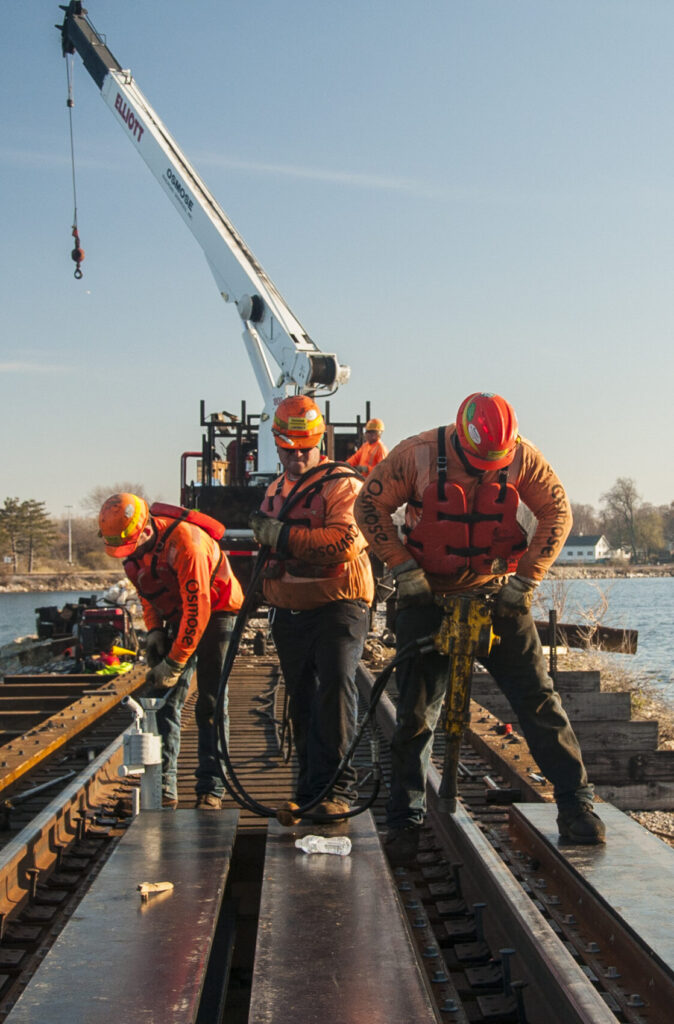
Whether working on track construction, maintenance-of-way activities, emergency repair, bridge-related work or other railroad construction services, Capital Railroad understands the importance of meeting federal safety expectations before crews arrive on site.
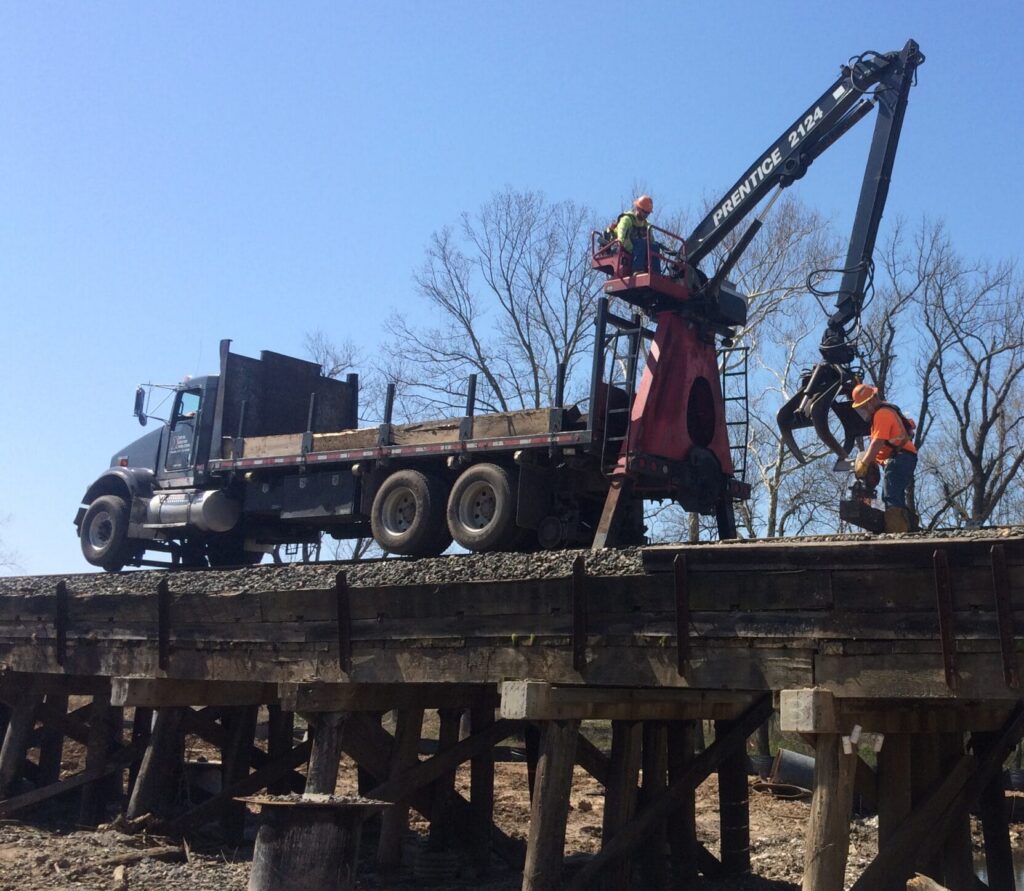
Not every contractor is prepared for the regulatory environment of railroad work. Capital Railroad brings field experience, safety awareness and compliance readiness to projects where timing, coordination and documentation matter.
Our FRA Part 219 compliance supports our ability to work with:
When a project requires a contractor that understands railroad rules, safety expectations and federal compliance requirements, Capital Railroad is ready to perform.
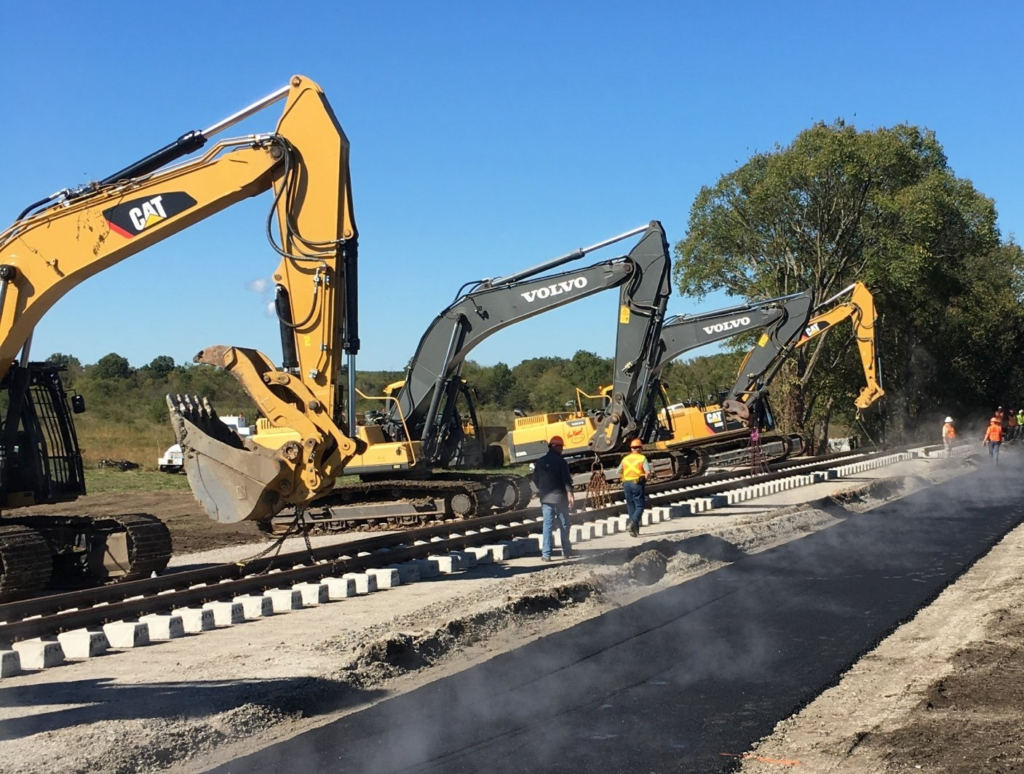
FRA 49 CFR Part 219 compliance reflects a larger commitment to doing railroad work the right way. Capital Railroad’s approach to safety includes preparing crews for the environments they enter, following required procedures and maintaining the documentation needed to support compliant project execution.
For our customers, that means fewer surprises, stronger project readiness and a contractor that understands the standards required to work in railroad environments.
Need a contractor ready for FRA-regulated railroad project work? Contact Capital Railroad today to discuss your project requirements, schedule, and compliance needs.
Disclaimer: Capital Railroad maintains programs and procedures designed to meet applicable Federal Railroad Administration requirements, including 49 CFR Parts 213, 219 and 243. Capital Railroad is not endorsed or certified by the Federal Railroad Administration unless expressly stated in project-specific documentation.